
Is Your Scalp Barrier Compromised? The Subtle Signs Most People Miss
Discover the subtle signs of scalp barrier damage and how to repair it with professional care.
Is Your Scalp Barrier Compromised? The Subtle Signs Most People Miss
Barrier damage is rarely dramatic.
It doesn’t usually present as severe redness or visible inflammation.
Instead, it shows up quietly — and persistently.
What the Scalp Barrier Actually Does
Your scalp barrier is a protective layer composed of lipids and skin cells that retain moisture and defend against irritation.
When intact, it keeps the scalp comfortable and resilient.
When compromised, small irritations become amplified.
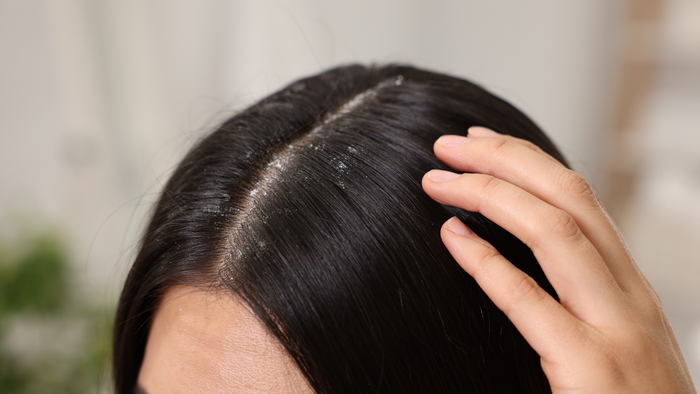
The skin becomes reactive. Tightness appears after washing. Mild stinging occurs when shampoo touches the scalp. Flakes return quickly even after treatment.
These are not random inconveniences.
They are signals.
How Damage Happens
Barrier disruption often follows cumulative stress.
Frequent clarifying. Aggressive exfoliation. Repeated colour services. Fragrance-heavy formulas. Over-scrubbing. Excessively hot water.
None of these are inherently damaging on their own — but combined, they weaken resilience.
Once the barrier thins, the scalp struggles to regulate oil and hydration effectively.
This can create a confusing mix of symptoms: oily roots alongside dry flakes, sensitivity paired with congestion.
That contradiction is common in compromised skin.
Repair Through Reduction
Repair is less about adding products and more about reducing stress.
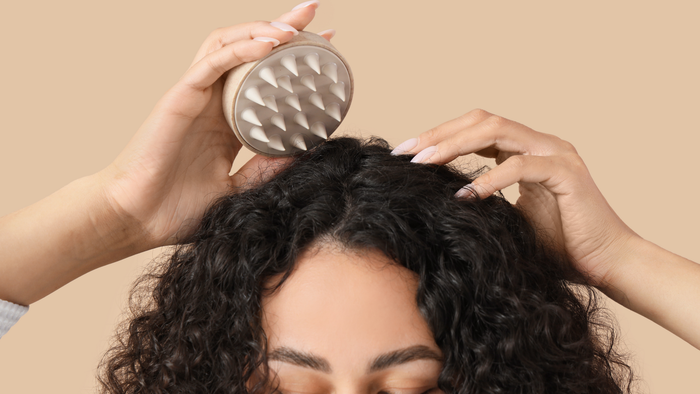
Switch to gentle, pH-balanced cleansers. Avoid daily clarifying. Lower water temperature. Minimise friction during washing.
Simplify.
The scalp repairs itself when irritation decreases consistently.
Professional-grade formulations often support barrier health by avoiding unnecessary harsh surfactants.
Improvement takes time. Several weeks of stability may be required before sensitivity diminishes fully.
But once resilience returns, the change is noticeable.
The scalp feels neutral again.
And neutral is the goal.
Not tingling. Not squeaky. Not reactive.
Just calm.
A healthy scalp shouldn’t demand constant correction.
If yours does, it’s not fragile.
It’s asking for restoration.