
air-dry
How to Air-Dry Hair Without Frizz: A Stylist's Method
A stylist's step-by-step method for how to air-dry hair without frizz — the right products, technique and timing for smooth, soft, touchable results.
If your hair dries into a halo of fluff every time you skip the blow-dryer, you're not doing anything wrong you just haven't been given a method. Learning how to air-dry hair without frizz is less about one miracle product and more about a sequence of small decisions, from how you rinse to how you leave your hair alone while it sets. Done well, air-drying is gentler than heat styling, kinder to colour, and genuinely low-effort. Here's the exact approach our pros use.
Why hair frizzes as it air-dries
Frizz is a moisture story. Each strand has an outer layer of overlapping cuticle cells, a bit like roof tiles. When those tiles lie flat, light bounces off evenly and hair looks smooth. When they lift, because the hair is dry, damaged, or reaching for moisture in humid air, the raised edges catch the light and each other, and you get frizz. Air-drying frizz usually comes down to three things: touching the hair too much while it dries, applying product to hair that's too wet or too dry, and skipping a smoothing or sealing step altogether.
The good news is that all three are fixable, and winter in Australia is actually a friendlier season for air-drying than the humid summer months as long as your hair isn't parched from indoor heating.
How to air-dry hair without frizz, step by step
1. Start in the shower
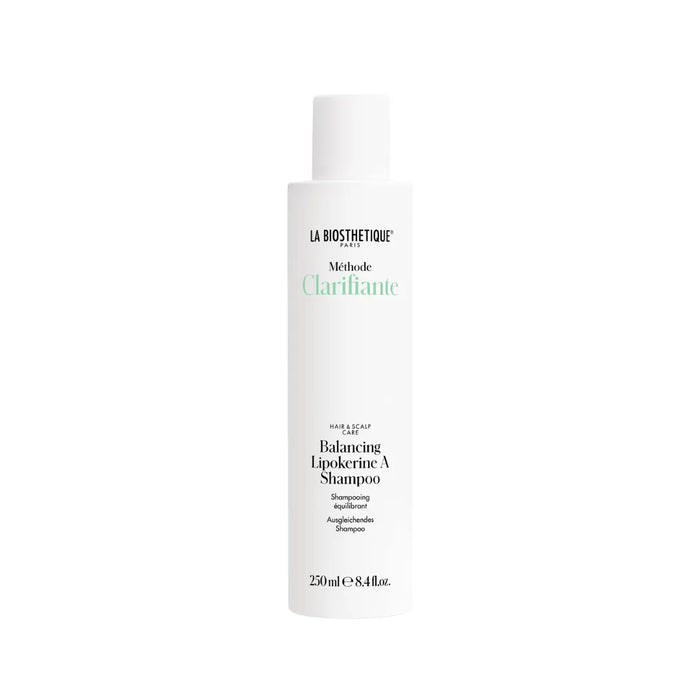
Smooth air-dried hair is decided before you even reach for a towel. Use a shampoo suited to your hair type and always follow with a conditioner, concentrating it through the mid-lengths and ends where hair is oldest and most porous. Do your final rinse a touch cooler than feels luxurious — cool water helps the cuticle lie flatter. If your hair is frizz-prone because it's dry rather than oily, browse our frizzy hair edit for cleansers built to smooth rather than strip.
2. Remove water the right way
Rough-drying with a regular bath towel is one of the biggest causes of frizz. The looped terry fibres rough up the cuticle and snap fragile wet strands. Instead, gently squeeze — never rub — using a microfibre towel or a clean cotton T-shirt. Press sections between your palms and the fabric to blot out excess water until hair is damp, not dripping. This "damp, not wet" stage is the moment everything else depends on.
3. Detangle with care
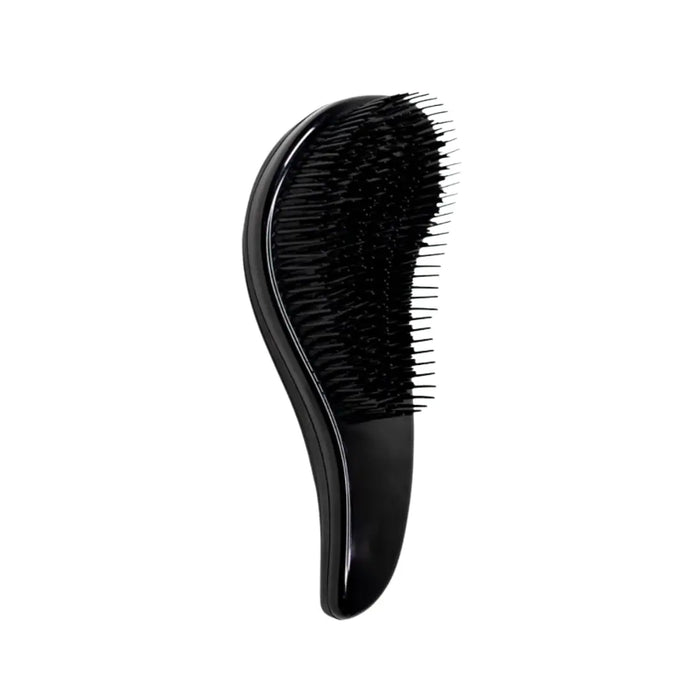
Wet hair stretches and breaks easily, so work through knots with a wide-tooth comb or a detangling brush, starting at the ends and moving up. Never drag a comb from the roots down through a tangle. A little slip from a leave-in makes this painless, which brings us to the most important step.
4. Layer product while hair is still damp
This is where most people go wrong: they wait until hair is nearly dry, then panic-apply oil to frizz that's already formed. Product should go on while hair is evenly damp, so it can distribute and seal the cuticle as it sets. A pea-to-ten-cent-sized amount of a smoothing serum like the DunGüd Reflection High Shine Serum raked through mid-lengths and ends tames flyaways without weighing hair down. For drier or more damaged lengths, a few drops of K18 Molecular Repair Hair Oil adds slip and shine while supporting the hair's condition over time.
If you have any wave or curl, this is also the moment to encourage it. A defining cream such as the O&M Curl Curl Cream or the DunGüd Bounce Back Curl Enhancing Cream gives hold and separation so curls clump together instead of frizzing apart. Rake it through, then scrunch upward toward the scalp.
5. Shape it once, then stop touching
Set your part, arrange your lengths, and then — this is the hard part — leave your hair completely alone. Every time you run your fingers through drying hair, you disturb the cuticle and break up any wave, both of which create frizz. If you want extra polish for a blow-out look without the blow-dryer, smooth a little DunGüd Sideshow Styling Balm over the surface once hair is about 80% dry. Explore more finishing options in our styling collection.
6. Let time and gravity do the work
Air-drying rewards patience. If you can, apply product and then get on with your morning while hair sets undisturbed. Plopping longer or curly hair into a soft T-shirt for 15–20 minutes helps lift roots and encourage curl; those with straighter hair can simply let it hang. Avoid tying hair up while wet, which creates kinks and uneven drying.
Stylist tips to lock in a smooth finish
- Work in sections. Distributing product evenly through four rough sections beats a rushed handful raked over the top layer only.
- Less product, applied well, beats more. Excess serum or cream makes fine hair stringy and can actually invite frizz as it dries unevenly. Start small and add if needed.
- Mind your pillow. If you air-dry overnight, a silk or satin pillowcase dramatically reduces the friction that roughs up the cuticle while you sleep.
- Refresh, don't rewash. On day two, revive shape with a light mist or a touch of serum on the surface rather than wetting hair all over again.
Match the method to your hair type
Fine, straight hair frizzes mostly at the crown and needs the lightest possible touch — a serum only, kept off the roots. Thick or coarse hair can carry a cream plus an oil and benefits from heavier sealing. Wavy and curly hair should lean into curl creams and the "scrunch and leave" approach, avoiding combs once product is in. Colour-treated hair is more porous and thirstier, so prioritise moisture and gentle, sulphate-free cleansing to keep the cuticle calm.
Frequently Asked Questions
How do I air-dry hair without frizz if I have naturally straight hair?
Focus on a smoothing serum through the mid-lengths and ends, keep product off the roots, and resist touching your hair as it dries. A cool final rinse and a microfibre towel do most of the heavy lifting for straight hair.
Should I apply oil to wet or dry hair?
Apply lightweight oils and serums to damp hair so they distribute evenly and seal the cuticle as it dries. Adding oil to already-dry, frizzy hair only coats the surface and can look greasy without fixing the frizz.
Why does my hair frizz more in winter?
Indoor heating and hot showers strip moisture, leaving the cuticle lifted and thirsty — which reads as frizz. Cooler rinses, a richer conditioner and a sealing serum help your hair hold onto moisture through the colder months.
Is air-drying better for my hair than blow-drying?
Air-drying avoids direct heat, so it's generally gentler, especially for damaged or colour-treated hair. The trade-off is control — the method above gives you much of the polish of a blow-dry without the thermal stress.
The takeaway
Frizz-free air-drying isn't luck; it's rinse cool, blot gently, detangle with care, layer product while damp, shape once, and then leave it alone. Build a small kit that suits your hair and the routine becomes second nature. For more on taming flyaways, read our guide to fixing frizz without weighing your hair down and our pick of the best shampoos for frizzy hair. And if you'd like a routine built around your exact hair type, book a consultation with one of our pros — they'll tailor the products and technique to you.